
Meet Bryan
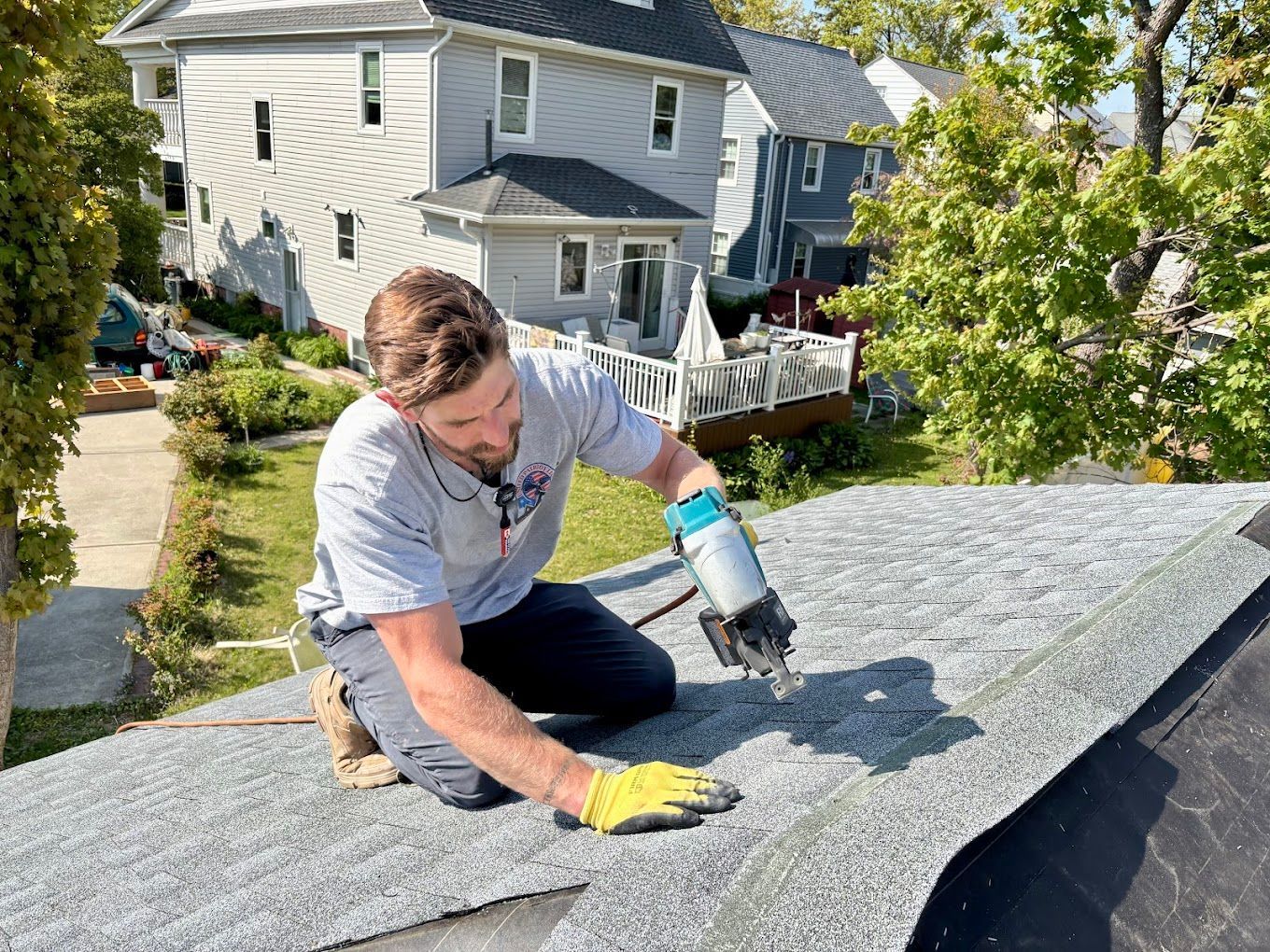
Bryan Tooker built United Patriot Contracting for one reason: homeowners on Long Island are tired of vague promises, shifting dates, and a jobsite that feels out of control. Bryan has built and improved homes on the East End since 2010. Coastal weather teaches fast lessons. Wind drives rain sideways. Salt air finds weak points. Flashing, ventilation, and drainage stop being “details” and become the line between a roof that holds and a roof that turns into a recurring problem.
After completing his Marine Corps service at the end of 2023, Bryan returned to construction full-time and formed United Patriot Contracting to run projects with a higher standard: written scope, direct communication, daily jobsite order, and work that matches the plan. Siding and exterior protection stay at the core because that is where risk shows up first: leaks, rot, mold, damaged insulation, stained ceilings, and the slow structural damage that follows when water keeps getting in.
The result is simple: a house that stays dry, a property kept clean, and a process that stays predictable from start to finish.

What to Expect from
United Patriot Contracting

Recent Projects
A few recent jobs across Long Island and the East End, shown from teardown through finish work. Roofing, exterior protection, framing, and rebuilds where water damage and structural issues needed a clean reset. This is the kind of work that matters most to homeowners because it shows what happens before the “after” photo: prep, protection, structure, and the details that keep a home dry and stable.


Why Homeowners Call:
Trust, Protection, Predictability
Most roofing problems do not begin with a dramatic failure. They begin quietly. A small stain that was not there last season. A shingle that lifted during a storm. A faint draft in a room that always felt comfortable before. The warning signs are subtle, easy to dismiss, and almost always more expensive when ignored.
That is typically the moment homeowners pick up the phone.

Not because they planned a project, because something changed. And uncertainty around a home is uncomfortable in a way few other things are.
A roof is protection. It controls water, temperature, airflow and the lifespan of everything beneath it. When that protective system weakens, the consequences rarely stay confined to one visible spot. Moisture travels. Small entry points become structural damage.
Homeowners understand this instinctively, even if they cannot always articulate it technically.

They call when a leak appears after heavy rain and they need to know whether the problem is isolated or systemic. They call when shingles scatter across a yard after wind and they want an honest assessment rather than a sales pitch. They call when an older roof begins showing its age and they want to understand timing, options, and risk without pressure tactics.
They call when prior experiences with contractors left them wary.
Vague estimates. Elastic timelines. Communication that fades once work begins. Crews that arrive unpredictably. Work that drifts from the original scope. These patterns are common enough that homeowners approach new projects with a degree of skepticism.
Predictability becomes as valuable as craftsmanship.
Clear explanations matter. Straight answers matter. Defined scope matters. A homeowner is not simply purchasing materials and labor. They are granting access to the most valuable physical asset they own. The experience surrounding that process carries weight.
Beyond the Questions: Building Trust
Questions usually sound practical on the surface...
Is this repairable, or does the roof
require replacement?
How urgent is the issue?
What caused the failure?
What prevents it from happening again?
How long will the work take?
What exactly will be done?
Beneath those questions sits something more fundamental.
Can this contractor be trusted inside the decision-making process?
Trust comes from consistency – explanations that make sense, work that matches the plan, and timelines that hold. From a jobsite that reflects professionalism rather than disruption.
Questions, at their core are about risk management.
Water intrusion does not negotiate. Weather does not accommodate scheduling mistakes. Improper flashing does not fail politely. When failures occur, they compound. Damaged decking leads to compromised insulation. Compromised insulation leads to temperature imbalance. Moisture leads to mold, staining, rot, and gradual structural deterioration.
Homeowners are not reacting to a single defect. They are reacting to potential cascading consequences.
That is why the initial conversation matters.
An inspection is not merely a procedural step. It is a diagnostic process. Understanding roof condition, ventilation performance, drainage behavior, flashing integrity, material lifespan, and prior repair history determines whether a solution addresses symptoms or root causes.
Shortcuts tend to resurface.
Temporary patches masquerade as permanent fixes. Cosmetic adjustments hide underlying weaknesses. Misdiagnosed problems reappear during the next storm cycle. The homeowner ends up paying twice — once for reassurance, once for correction.
Clarity reduces repeat problems. Defined scope reduces misunderstandings.
The Value of a Written Plan
A written plan defines what will be done and what to expect. It turns an ambiguous service into a controlled project.
Homeowners value this more than marketing language.
- They call when they want straight answers about what they are seeing.
- They call when they want to understand risk before damage spreads.
- They call when they want work performed without unnecessary friction.
- They call when they want the project to feel controlled rather than chaotic.
Because a home is not a jobsite. It is a living environment.
Noise, debris, access, scheduling, and site organization are not minor details from the homeowner's perspective. They directly affect daily life. Professionalism expresses itself not only through technical execution but through how the work integrates with the homeowner's space.
In the end, the decision rarely centers on shingles alone. It centers on confidence.